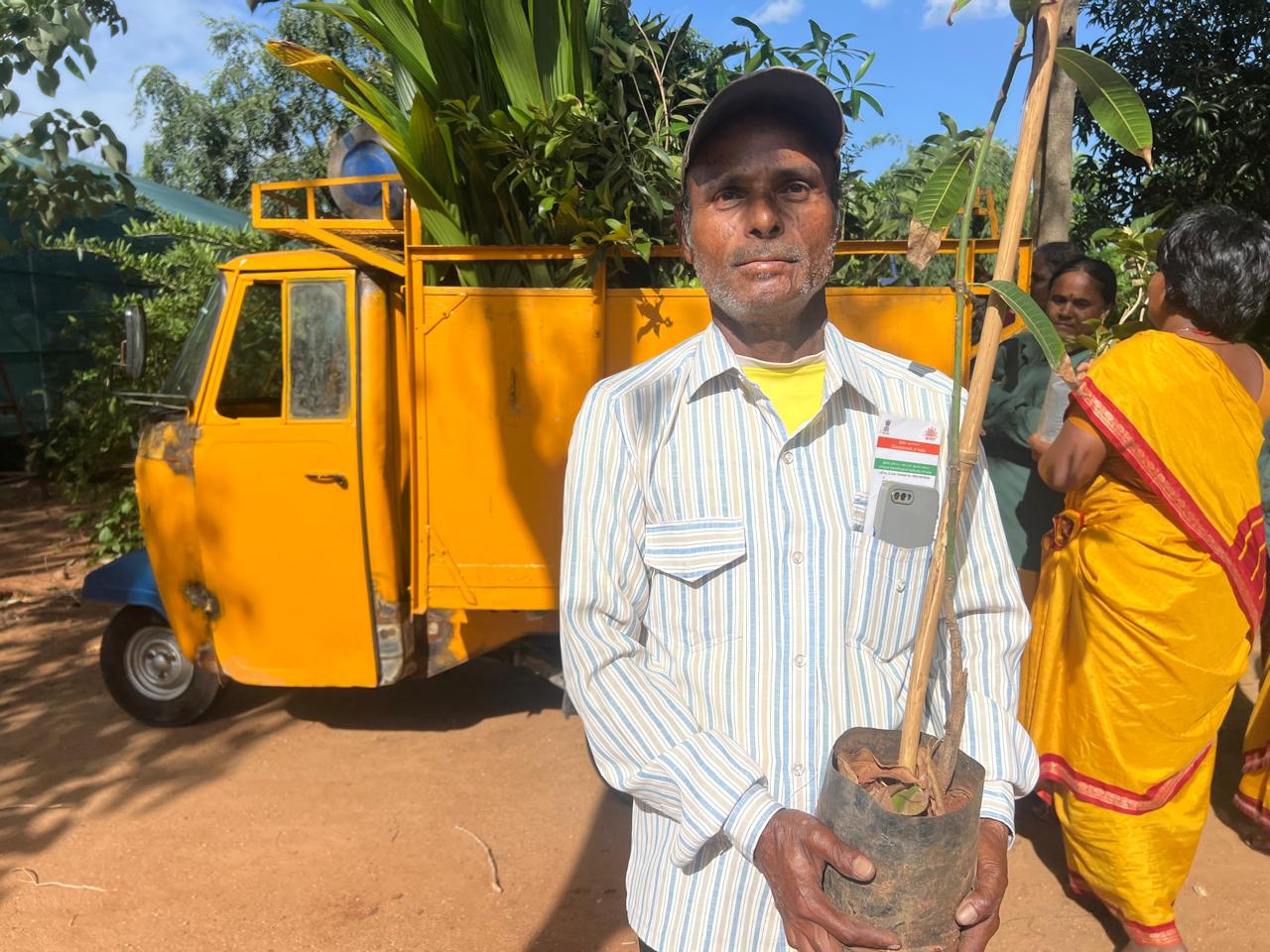
You want coconuts? We'll give you coconuts!
By Rose · June 10, 2026
Last week Ezra, Eric and I started trying in earnest to understand when, how, and why TongueTied is being shared. When we pulled the data about who was inviting whom, one name emerged not just as a superspreader but as the superspreader.
I shouldn't have been surprised. I met Nathalie Latham more than 20 years ago outside Cahors, France, and within hours she'd arranged for a masseuse to drop by to give me my first professional massage, taught me her grandmother's chocolate mousse recipe, and lured me to a village fête that ended the next day with people washing out their soup bowls with red wine. That was the longest we ever spent together – a few days – but it was glue enough that we've been in touch ever since.
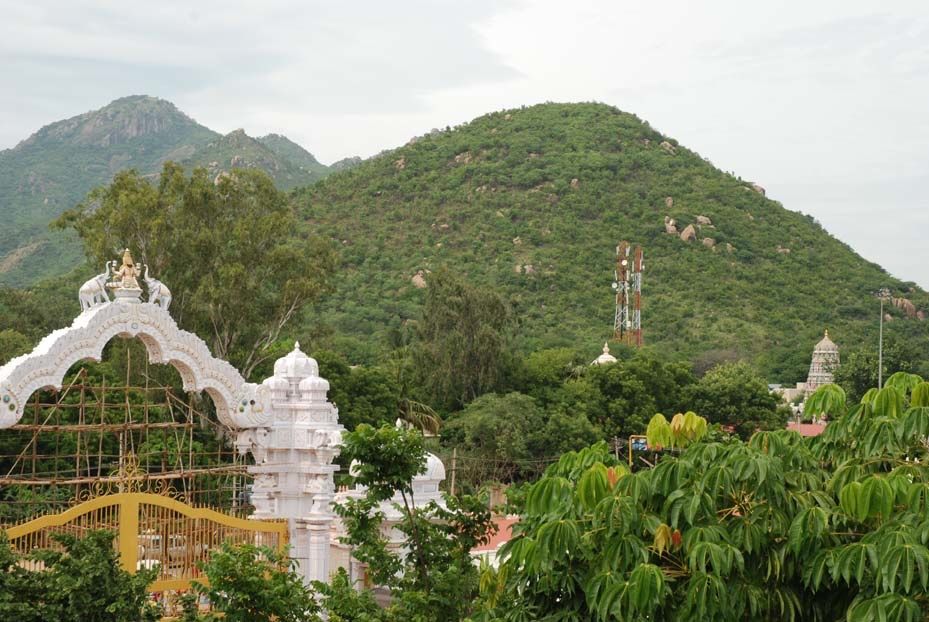
In the intervening years, Nathalie has gone from being a Paris-based photographer and documentary filmmaker working in Japan, London, Sydney, New York, and Berlin to living on the campus of a temple in Tamil Nadu, southern India. Still, from that remote location she has raised money from around the world to reforest the region through a women-led initiative that, among its projects, raises fruit trees to give to local farmers. That's when she's not helping oncologists better understand what their patients are going through. But more on that later.
We spoke a few hours after Nathalie attended a morning meditation session in which she fell asleep – a novel experience for her. She opened her eyes to an empty room but for the teacher, who had quietly roused her with a series of soft "oms".
What has you so exhausted?
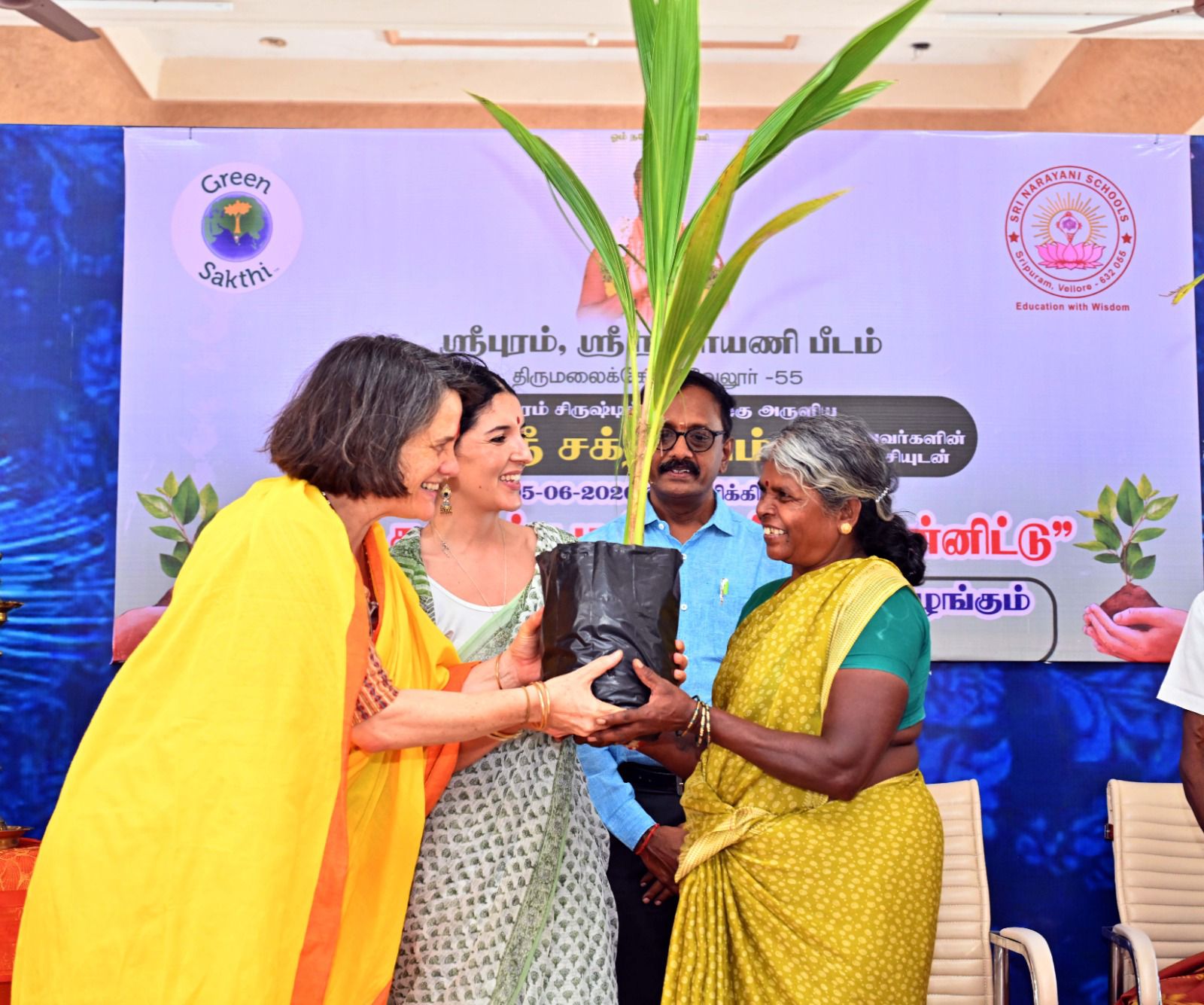
Friday was World Environment Day, and Green Sakthi was launching our initiative to give away 100,000 trees to farmers. We had all of these people coming to witness the launch – people from the forestry office, the agricultural ministry, and then about 400 kids, and 50 farmers. It's a joyful thing. The farmers turn up on auto rickshaws, and they're really excited because we give them the trees they want. Other projects will say, "we happen to have these almond trees or mango trees or whatever," but we say, "hey farmer, what do you want?". And they're like, "we'd like 20 mango trees, 100 coconut trees, five custard apples, seven guavas, and 10 papaya trees." And that's what they get.

You've talked to me a little about who you've invited to TongueTied, and it strikes me that this is your approach there, too.
Let's see, who am I playing? There's my goddaughter and her mother, they're in Geneva, and my sister-in-law is Finnish, so she's playing in her second and third languages but beating me. Beating me hands-down. And I have a game with my best friend from high school [in Australia], she got the French prize, not me, because she knew the grammar. And there's my friend Vanessa from Paris, and then I'm still waiting on my cousin in London …
The thing is that I really like the game, and I invite people who I think would want to know about it – because they're good with words, or good with languages, or living in multiple languages.
As you have your whole life. Do you get more satisfaction playing English words or French?
I thought I played more in English but my stats show I'm about 50/50. You know, there are very few places when you are bilingual that you can actually be in both worlds at the same time. And this game is doing that.
I also like that you don't know where it's going. You and your opponent might each play four or five words in quick succession, and then one person has to go start dinner, and so you stop, too, and pick it up later, and I like that strange rhythm. I play backgammon against a computer – because I really like backgammon. I really like games! But you don't get those interesting time gaps playing against a computer.
The fact that I'm living in rural India probably makes a difference, too. In terms of sustained relationships with people from my language and culture, I'm lacking that here, and this is a way to connect with people from my culture (or cultures), and to be with them in a different way.
You moved to India because you'd been ill with cancer.
After my treatment was through, my spiritual teacher said, "come and rest", so I thought, OK, I'll rest for three months, I'll be fine, and I'll be back in the world. But it took me five years to recover, and by then I felt like I had created roots. And also, honestly, I fell in love with the trees. When I was really, really unwell, I was taking care of the trees, watering them, applying organic fertilizer, making sure the goats didn't eat them. I wasn't super happy about being alive, but these living beings are just … they keep growing forward and forward and forward and forward and forward. I was stuck, but they were my teachers. Nature was saying, you can be stuck for a certain amount of time, but at some point, you, too, have to go forward.


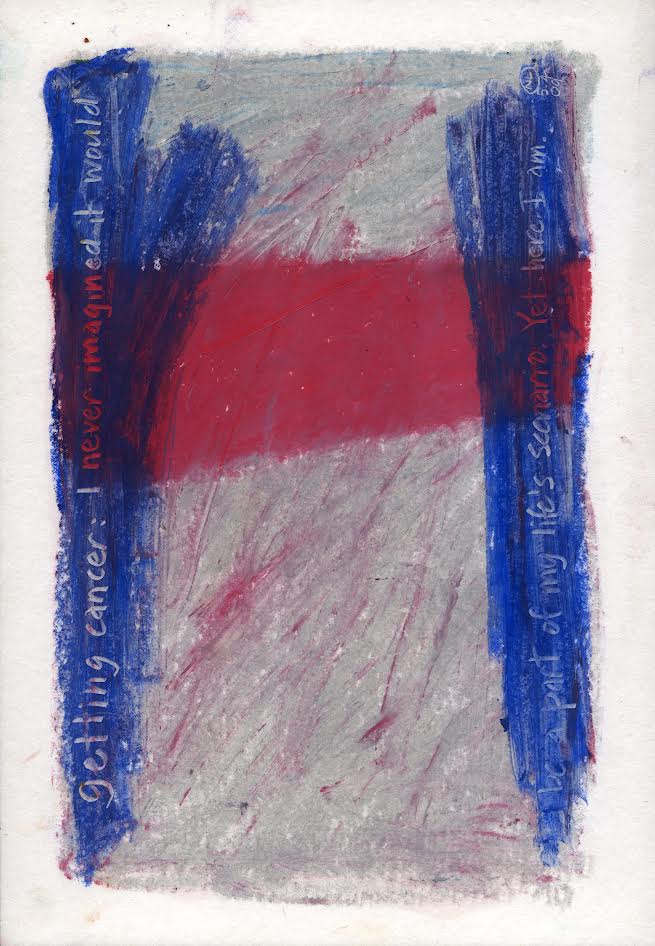
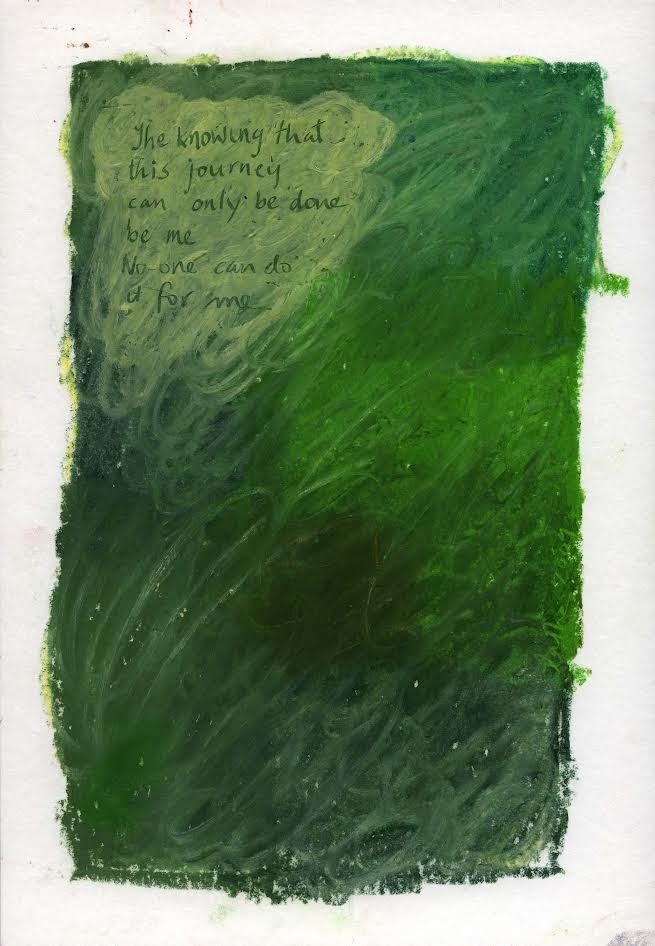
You published a book this year about this experience, but it's an art book: oil pastel drawings you started making while undergoing radiation treatment for Stage 3 cervical cancer in 2009.
I was immobile in a hospital bed for seven days on a 20-minutes-on, 40-minutes-off schedule of radiation therapy, around the clock. It was frightening, painful, and lonely. The drawings emerged from that: on a scale I could manage without moving my torso, using materials – the pastels and a bamboo pencil – that allowed me to pour out my emotions on the page, and then scratch away at the color to reveal further layers of that emotion. The process was life-saving in almost a literal sense, but it was years before I could look at the drawings again, and even longer before I could see them as a means of talking to people about the trauma and grief of serious illness, even when the treatment is, by all scientific measures, successful.
Not to harp on about this, but you seem to be sharing the book like you're sharing the game and the trees: with people who might really want it.
I thought hard about who this book would touch. Am I looking to reach out to cancer patients? Not particularly; they're going through their own experiences. For example, a friend in New York bought it for her neighbor who is dying of cancer, and this woman said, "yes, but this girl gets through it". And I sent it to someone who also had had cancer, and she got really angry at me, saying I'd written a horror story, and I had to talk positively.
But then I thought about the medical teams – the oncologists and, even more, the chaplains. And that's been amazing. I had my first talk last week, at the University of Texas's UT MD Anderson cancer center, and it was like when you throw a baseball and someone's holding out a glove and it just goes thud, perfectly, right in there. People were asking, "What do we do? Our patients are in such grief, but they're healed." These doctors, and even the chaplains, they don't know how to deal with that grief because all they've just been taught is to remove the cancer. They haven't been taught that they're going to be dealing with a grief-stricken person who's been given their life back but has not integrated that information yet.
So you'll try to teach them.
Yep, me. And if I can't manage, maybe we'll ship them some trees.