TongueTied's reading list
By Rose · November 18, 2026
It’s been a while since you’ve heard from us at TongueTied, for which I apologize. The reasons are largely to do with work getting in the way, but you might prefer to hear about pleasure, and in particular language-related pleasure reading, given that many of you are spending a minute a day unscrambling words in multiple tongues or much longer displaying truly impressive vocabularies on TongueTied boards.
And so, some reading recommendations for TongueTied enthusiasts:
-
Inspired by a New York Times rave review (“novel of the decade, and possibly of the century thus far”), I picked up The Disappearers by Marlon James. While I wouldn’t go as far as the reviewer, I enjoyed it, and especially enjoyed seeing Jamaican Patois on the page. “Sit yuh raas self down,” says one character, using as emphasizer a word derived from “arse”. “Then bomboclaat stay,” says another, employing a word “with the same range and intensity” as U.S. English's favorite curse word, according to Merriam-Webster, but which literally means either menstrual cloth or toilet paper, depending on your source.
-
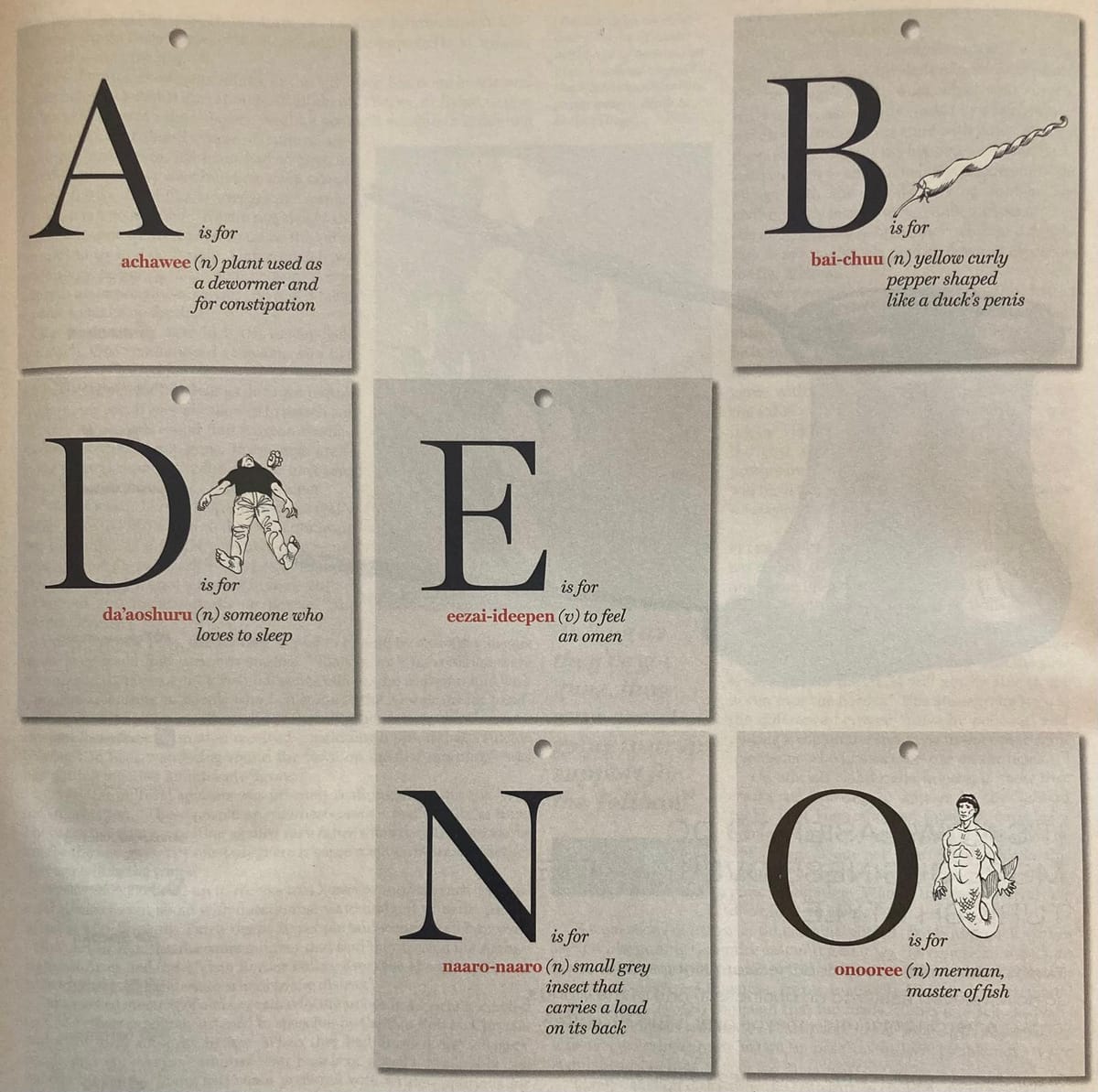
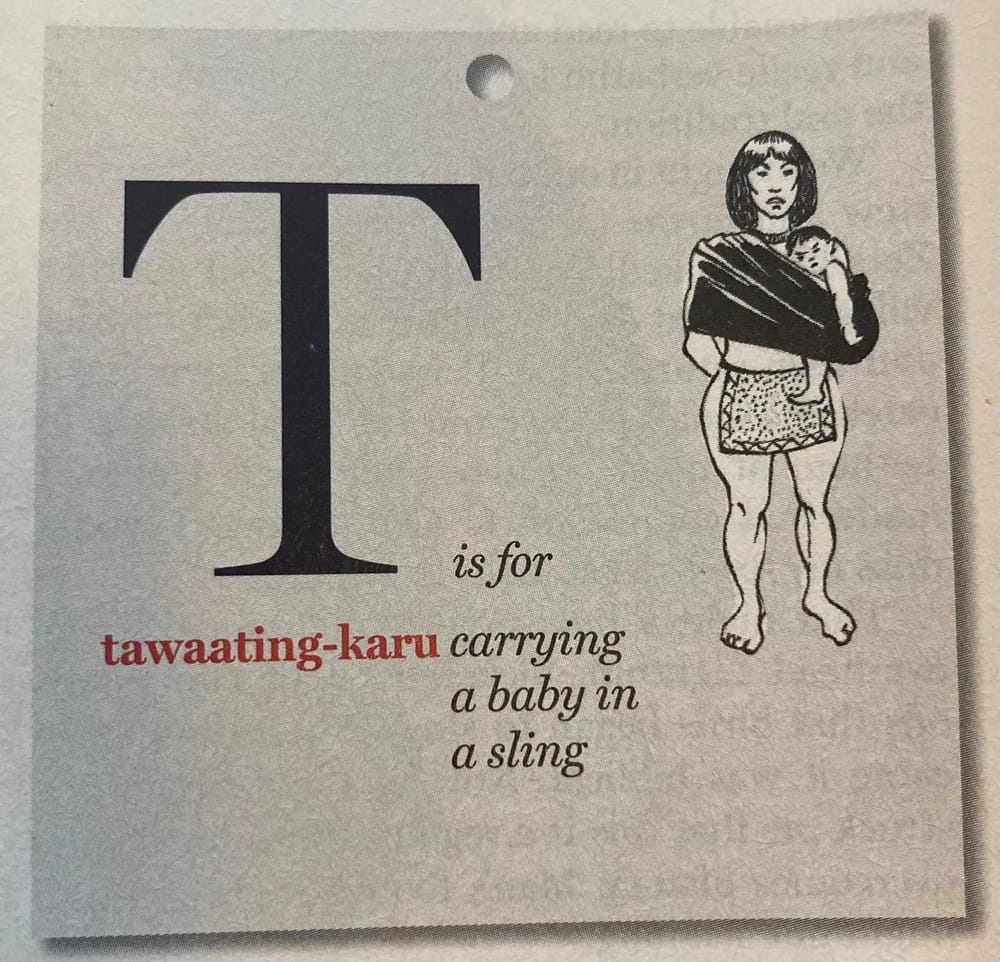
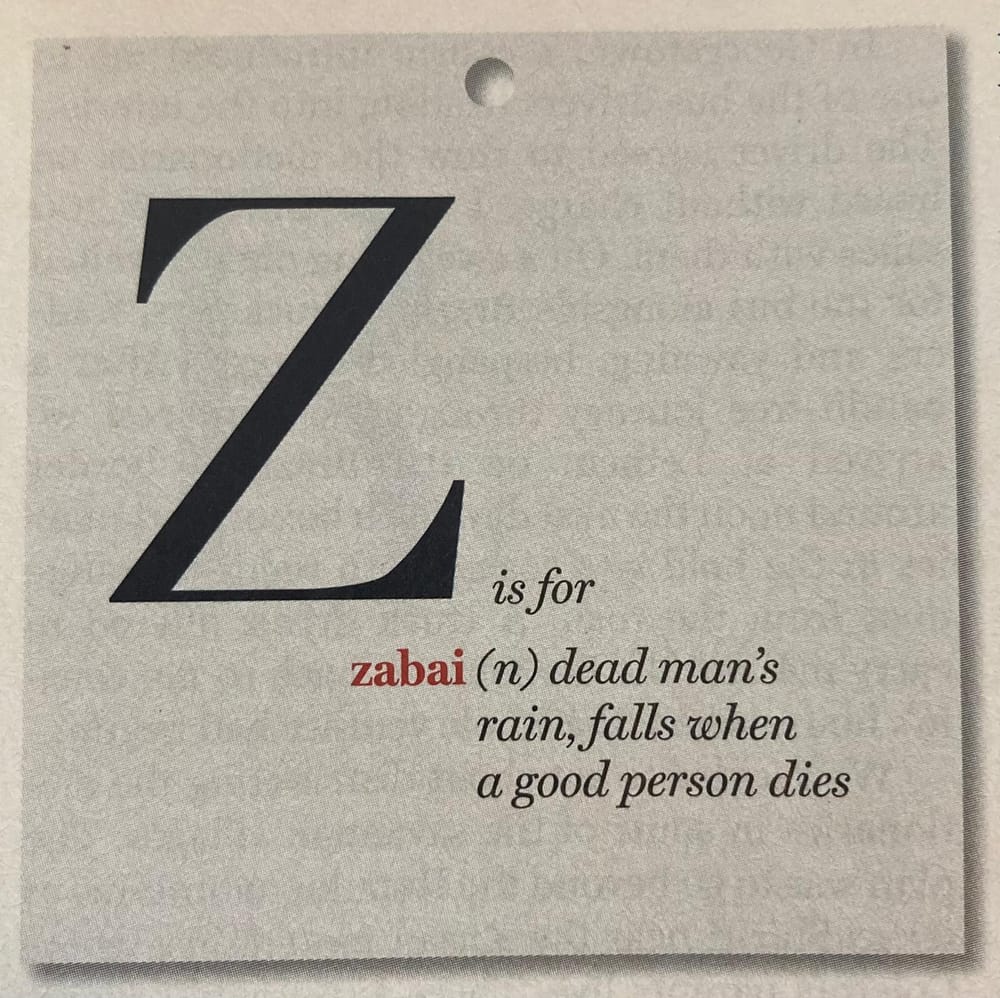
It was easy to find these explanations online, as well as videos or audio clips in which I could hear the words pronounced. But reading about that part of the world then inspired a much more difficult project, one that had me digging through archives in my basement. Years ago, I edited a piece by the novelist Pauline Melville for the Financial Times in which she wrote about compiling a dictionary of Wapisiana (also spelled Wapishana, Wapityan, Wapitschana, Matisana, Vapidiana, and Uapixana), a language spoken by a shrinking number of people in Guyana and northern Brazil. “There was a noticeable lack of abstract nouns and no word for ‘sorry’,” Pauline writes. “When a young boy was asked what he would say if he accidentally trod on someone’s foot, the boy replied: ‘I would say what a stupid place to leave a foot.’”
It’s one of the articles I am proudest to have put into print, but print seems to be the only place to find it: All digital versions have vanished. If that’s what happens to something published in print and online in 2008, just think of the fate of the dictionary itself, only 500 copies of which ever appeared. If you’d like to read Pauline’s very fun piece, write to me and I’ll send a PDF.
-
Finally, this experience reminded me to order a book that’s been on my list for some time: How to Kill a Language by Sophia Smith Galer. It’s not an instruction manual but an expansive, passionate, and personal call for states and other institutions to invest in language preservation. (Here’s a set of interesting counterarguments by philosopher Nikhil Krishnan for the New Yorker.)
How to keep a language game alive? Send the occasional email. We’ll be doing more of that in the coming months.
How else to keep a game alive? Keep playing it. We hope you will.
- Rose